

Plastic packers are a hidden risk in fire door installations. Despite being used historically as a quick, low-cost packing material between the door frame and supporting structure, plastic packers behave very differently from hardwood or composite alternatives once exposed to fire, and the data below shows why specifiers, contractors, and installers should reconsider their use.
The Push for Better Fire Door Installation Standards
Trade associations have spent years highlighting the importance of correct fire door installation, publishing extensive guidance on core installer competencies. Alongside this, certification bodies now run accredited third-party installation schemes that give specifiers, contractors, and end users confidence that a fire door has been installed correctly and will perform as intended.
These schemes have driven real improvements across the installation sector, raising both awareness and accountability around fire door performance, but the materials used within the installation, such as packers, often receive far less scrutiny than the door and frame themselves.
Why Packing Materials Deserve More Scrutiny
A common argument in favour of plastic packers goes something like this:
“Plastic packers have been used historically as a packing material between the door frame and supporting construction for years, and have been tested extensively to national and European fire resistance standards.”
The problem is that standard fire resistance tests don't directly measure overall fire hazard; they assess how a material responds to specific fire exposure conditions. Fire test performance is only one factor among several that determine how a complete system behaves in a real fire, and additional testing is often needed to understand things like lateral flame spread and incipient heat release - exactly where plastic packers fall short.
Comparing Packer Materials: Burning Behaviour
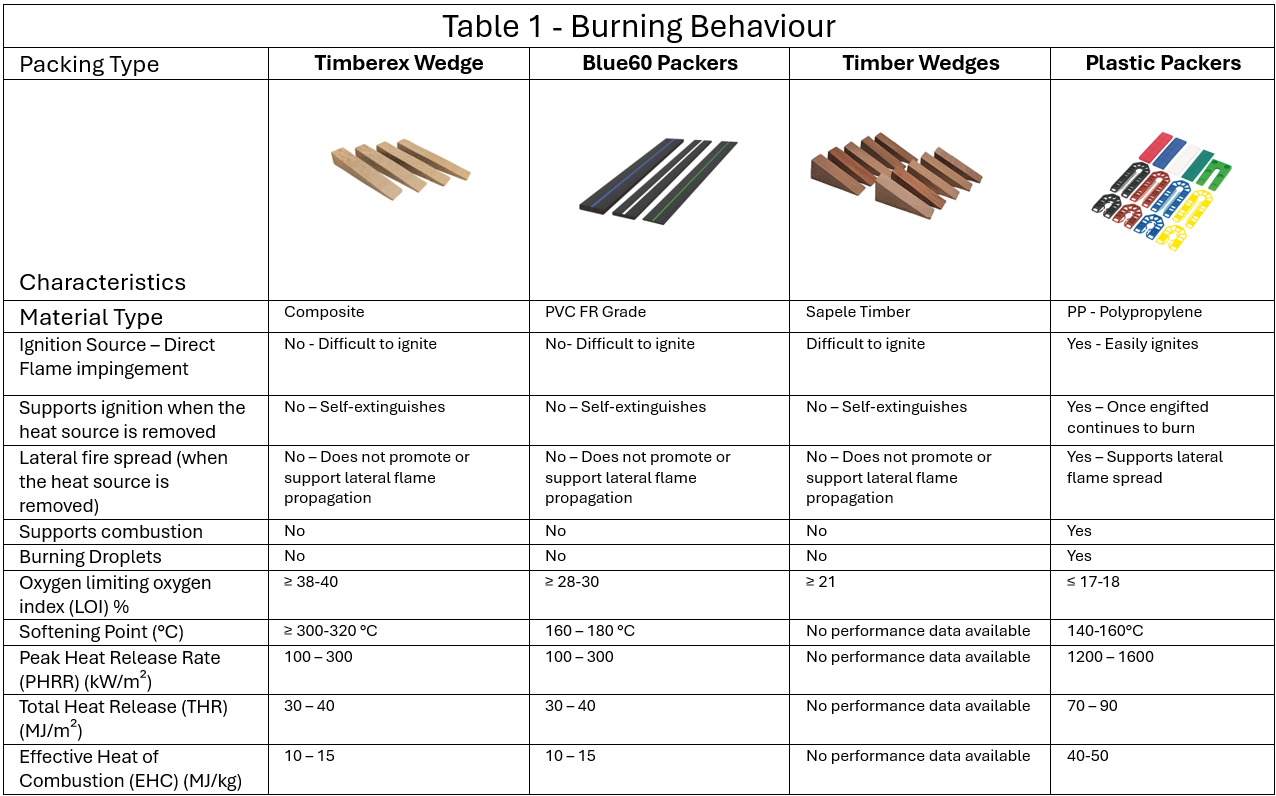
The table below compares four common packer types against key reaction-to-fire characteristics
Why This Matters: The Science of Polymer Combustion
The thermal decomposition of polymers is complex and can follow several different pathways depending on the material and exposure conditions. Polymers burn by breaking down their long-chain molecular structures, releasing fuel into the gas phase where flaming combustion occurs. This breakdown mechanism is usually unique to each polymer, which is why flame-retardant strategies can't simply be transferred from one polymer system to another. Fire retardants themselves are typically classified by how they work, physical or chemical, condensed-phase or gas-phase, char-forming or intumescent.
The Bottom Line
Every component in a fire door assembly is scrutinised, tested, and certified, from the leaf and frame to the hinges and seals. Packing materials shouldn't be the exception. Based on the data above, plastic (PP) packers:
- Ignite easily under a direct flame
- Continue burning once the ignition source is removed
- Produce burning droplets that can spread fire further
Given these characteristics, it's time for the installation sector to move away from plastic packers and toward materials, such as timber or composite, that have been shown not to compromise fire door performance.
Want to see plastic packers react to an exposed flame? Watch this video: https://www.youtube.com/watch?v=ZuhqBY8d_WE
FAQ
Are plastic packers banned in fire door installations? There's no blanket UK-wide ban, but guidance from fire door trade bodies and certification schemes increasingly discourages their use due to their combustion behaviour.
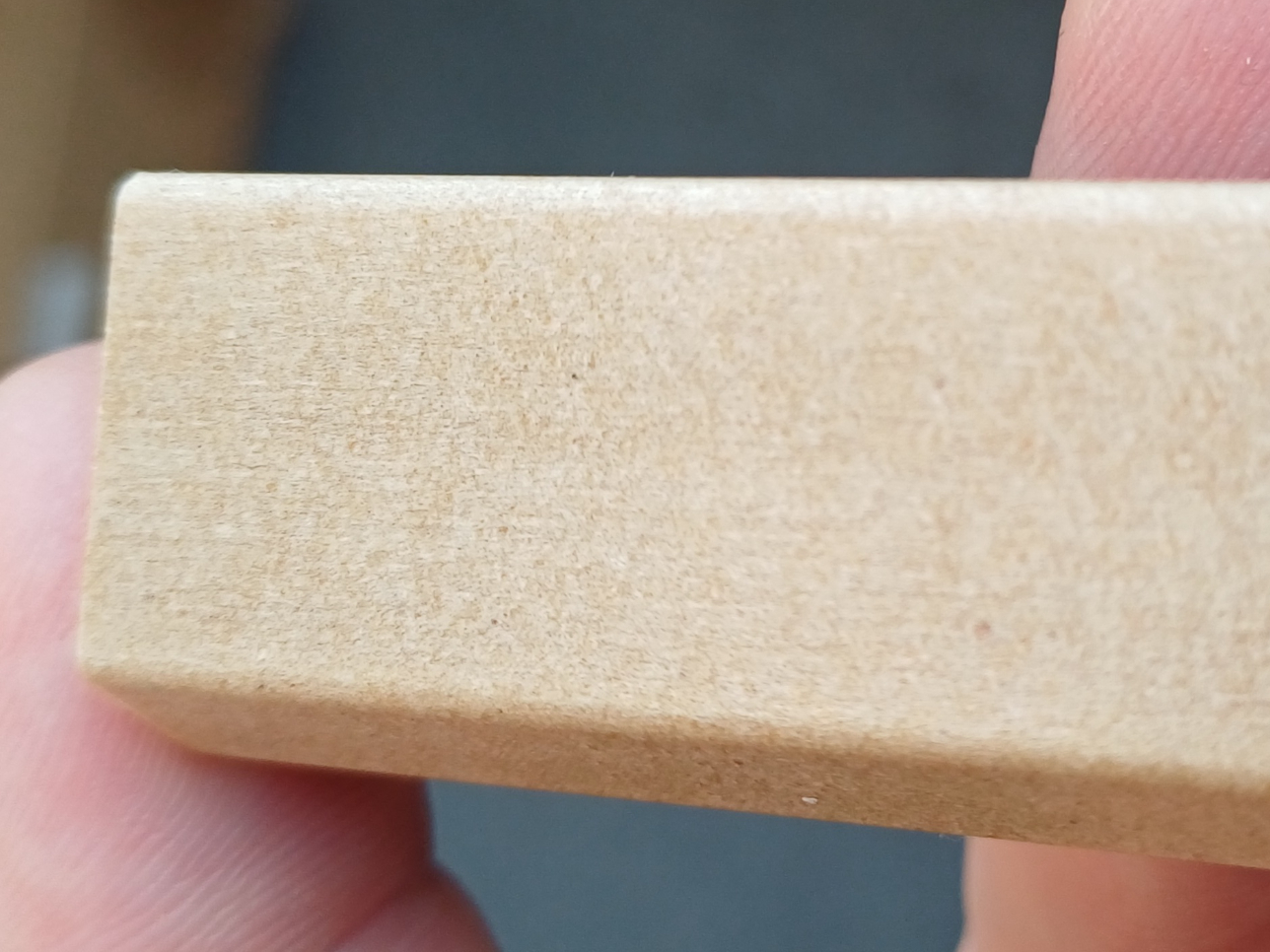
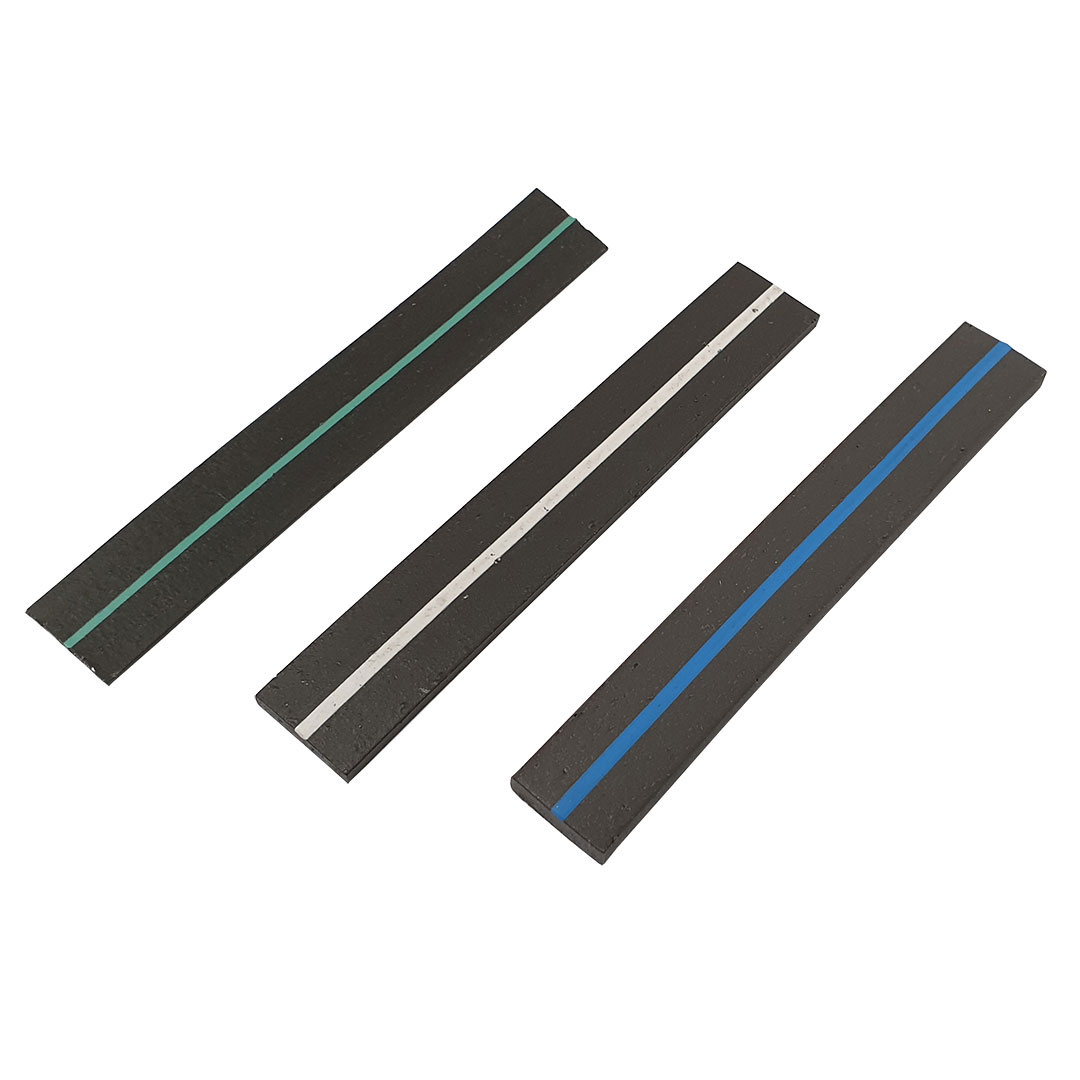
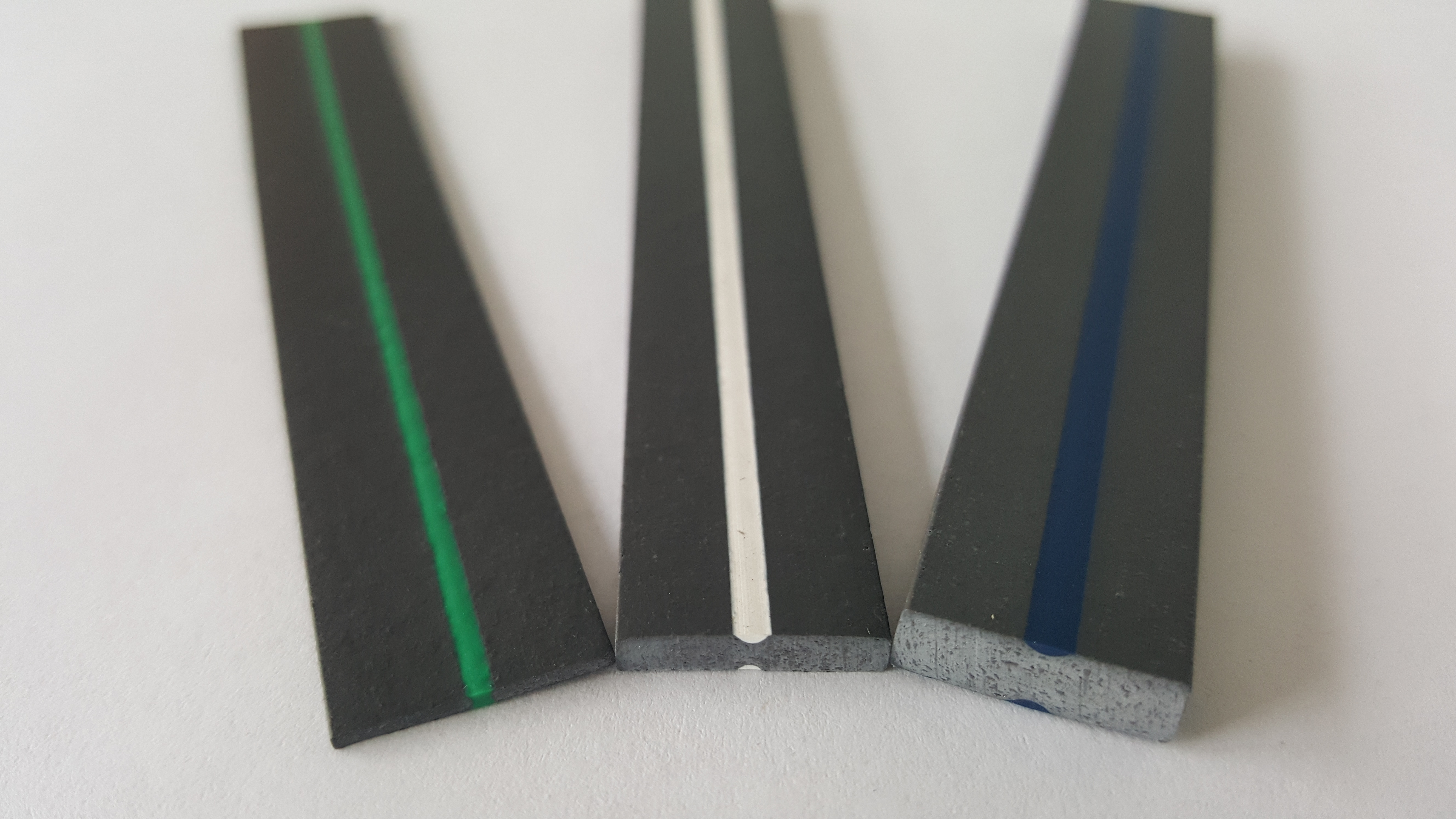
What should be used instead of plastic packers in fire doors? Hardwood wedges or composite packers (such as Timberex or Blue60 Fire Rated Packers) are commonly recommended, as they self-extinguish and don't support lateral flame spread.
Why do fire resistance tests not fully capture plastic packer risk? Standard fire tests assess response to specific fire exposure conditions, not overall fire hazard. Additional testing is often needed to assess lateral flame spread and heat release in a full system.
Can I use plastic packers with Blue60? Blue60 has never been tested in conjunction with Plastic Packers due to their combustibility. Therefore, Blue60 should never be installed with plastic packers and should fail an inspection by a competent person. Instead, use fire-rated packers or Timberex wedges
Why Use Timberex Wedge Packers Vs Hardwood Packers For Fire Doors
Are Fire-Rated Packers Required When Using Blue60 Fire Foam?
No Comments Yet
Let us know what you think