

Any mistakes made during the installation of a fire door could compromise its integrity and put the building and its occupants at risk. Here, we take a look at five of the most important mistakes to avoid when installing fire doors.
1. Ignoring Local Building Codes
Local building codes are there for a reason. Designed to ensure properties are safe for those who use them, these codes help raise standards in the building industry.
Ignoring local building codes and regulations when installing fire doors is a critical mistake. As they’re integral to the fire safety of a building, fire doors must comply with specific standards, such as Approved Document B in the UK. Failure to adhere to these regulations can lead to significant legal penalties, invalidate insurance and, crucially, compromise the safety of building occupants.
2. Miscalculating Door Measurements
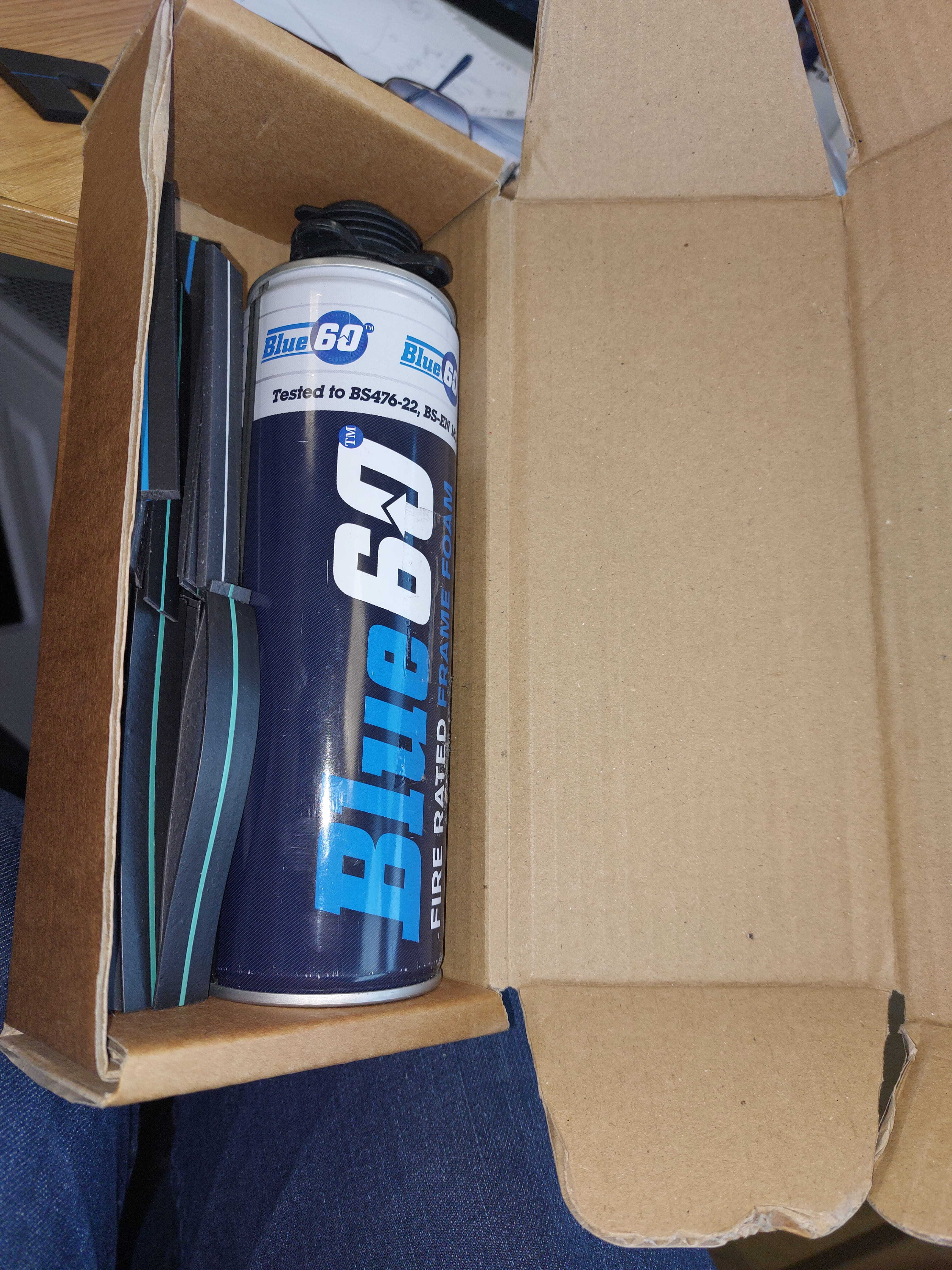
Fire doors need to be fitted accurately and precisely into structural apertures. Any gaps surrounding the door frames must be filled with fire-resistant materials, such as fire-rated expanding foam.
Miscalculating door measurements is a common and costly error. Incorrect measurements can result in gaps that are too large, allowing fire and smoke to bypass the door. If gaps are too small, it can cause binding.
The structural opening should be measured in three places to ensure accuracy. When installing fire doors, there should be gaps between 2mm and 4mm at the top and sides of the door, a maximum gap of 8mm at the bottom or 3mm if smoke protection is required.
3. Using Inappropriate Hardware
Using inappropriate or non-fire-rated hardware significantly compromises a fire door's integrity and its ability to resist smoke and flames. All components used in the installation, including hinges, latches, locks and door closers, must be fire-rated and compatible with the assembly.
Standard fixtures and fittings, such as hinges, can fail quickly in the event of a fire. This could make it difficult to open or close the door and may put building occupants at risk. Recommended fire door hardware, such as CE-marked or Certifire-approved hinges, fire-rated locks, latches and self-closing devices, should always be used to ensure the automatic and secure closure of the door.
4. Neglecting Proper Seal Installation
Seals are a very important part of fire-rated door installations. Intumescent seals expand with heat to seal gaps, preventing the passage of fire, while smoke seals stop harmful gases from spreading throughout a building. Without correctly installed seals, fire and smoke can bypass the door, compromising its fire rating and putting occupants at risk. To ensure the door meets safety standards, seals must be fitted correctly into rebates without gaps and be compatible with the door system.
5. Skipping Fire Door Testing
Skipping proper fire door testing is a serious mistake. Fire doors need to be thoroughly tested to ensure they work properly and close securely without obstruction. Fire door testing is also important for confirming that seals are intact and self-closing devices are operating correctly. This testing helps ensure that the fire door is able to perform in a fire.
Proper fire door installations help to protect buildings and save lives. To find out more, contact us and speak to a member of our team.

Image source: Canva
Understanding Blue60 Fire-Rated Foam & How Blue60 Changed Everything
How To Install A Fire Door: Essential Tips For Specifiers

No Comments Yet
Let us know what you think